TL;DR
Real estate education must bridge the gap between classroom theory and field execution. Foundational licensing courses cover legal requirements, but practical competence requires experiential, field-based training. By learning directly inside real properties alongside industry partners like mortgage lenders, title professionals, insurance agents, and home warranty specialists, agents learn to identify risks, communicate effectively, and manage transactions proactively before a client’s equity is on the line.
What Kind of Training Should You Look for in a Real Estate Brokerage?
When selecting a real estate brokerage, agents should look for a dual-track educational model combining foundational classroom instruction with practical, field-based experience. Essential brokerage training must cover contracts, buyer and listing consultations, negotiation, pricing strategies, lead generation, technology, financing, title processes, property inspections, home warranties, and transaction management.
At Keller Williams Houston Central, this balanced approach is put into practice through experiential initiatives like the Real World Real Estate Series, which moves instruction from traditional classrooms directly into real Houston properties alongside seasoned transaction professionals.
                  ┌─────────────────────────────────────────┐
                  │      BALANCED BROKERAGE EDUCATION       │
                  └────────────────────┬────────────────────┘
                                       │
            ┌──────────────────────────┴──────────────────────────┐
            ▼                                                     ▼
┌───────────────────────┐                             ┌───────────────────────┐
│  Classroom Theory     │                             │ Field Experience      │
├───────────────────────┤                             ├───────────────────────┤
│ • Legal & Contracts   │                             │ • On-Site Inspections │
│ • Systems & Tech      │                             │ • Live Evaluations    │
│ • Lead Generation     │                             │ • Partner Masterminds │
└───────────────────────┘                             └───────────────────────┘
Why Classroom Training Isn’t Enough
Traditional real estate instruction focuses heavily on passing state licensing examinations. While state-mandated coursework establishes a necessary baseline of legal definitions and regulatory principles, it rarely prepares an agent for the dynamic variables of a live real estate transaction.
According to research on adult learning published by the Texas Real Estate Research Center at Texas A&M University, professional competence in real estate relies on practical application and situational awareness. Memorizing contract clauses in a lecture setting does not automatically translate to identifying structural red flags during a walk-through or navigating complex financing contingencies under strict contractual deadlines. When agent training remains strictly theoretical, the agent’s first real attempt at problem-solving often occurs during a live deal—putting client outcomes and professional reputations at unnecessary risk.
What Is Experiential Learning?
Experiential learning is an educational framework where professionals develop knowledge, skills, and values from direct experiences outside a traditional academic setting. Grounded in David Kolb’s Experiential Learning Theory and David Schon’s concepts of reflective practice, applied adult education demonstrates that learners retain complex information best when engaging in a four-stage cycle:
- Concrete Experience: Engaging directly in a realistic environment or scenario.
- Reflective Observation: Analyzing what happened and identifying critical nuances.
- Abstract Conceptualization: Connecting observations back to core theories, legal guidelines, or business processes.
- Active Experimentation: Applying refined judgment to future real-world situations.
               [ Concrete Experience ]
                       │
                       ▼
            [ Reflective Observation ]
                       │
                       ▼
          [ Abstract Conceptualization ]
                       │
                       ▼
             [ Active Experimentation ]
In real estate professional development, experiential learning moves agents past passive listening into active observation and contextual problem-solving. This approach enables agents to build professional judgment, ask deeper questions, and recognize transaction friction points before they escalate into contract terminations.
From the Classroom to the Property: Keller Williams Houston Central’s Real World Real Estate Series
To bridge the gap between real estate theory and field execution, Keller Williams Houston Central developed the Real World Real Estate Series. This educational initiative takes agents out of traditional training rooms and places them directly inside actual Houston residential properties.
By conducting sessions on-site, the nature of agent inquiry transforms:
- Classroom Query: “What is an inspection contingency?”Field Query: “When an inspector identifies a deficient roof or aging HVAC unit on this specific property, how do we structure an amendment to address repairs without compromising the buyer’s loan approval?”
- Classroom Query: “What is title insurance?”Field Query: “Looking at this property’s survey and boundary lines, what unrecorded easements or encroachments could delay clear title transfer at closing?”
- Classroom Query: “How do home warranties work?”Field Query: “Given the age of the mechanical systems in this home, which specific coverage options should be negotiated to protect the buyer post-closing?”
Field-based education allows agents to connect legal contracts and disclosures directly to physical structures and active transaction environments.
Bullet Proof the Transaction: Learning Inside a Real Property
On Tuesday, August 25, 2026, Keller Williams Houston Central hosted a specialized session of the series titled “Real World Real Estate Series: Bullet Proof the Transaction.” Held on-site at an active Houston property from 1:00 PM to 2:30 PM, the workshop brought together real estate agents and key transaction professionals to dissect potential deal risks from multiple industry perspectives.
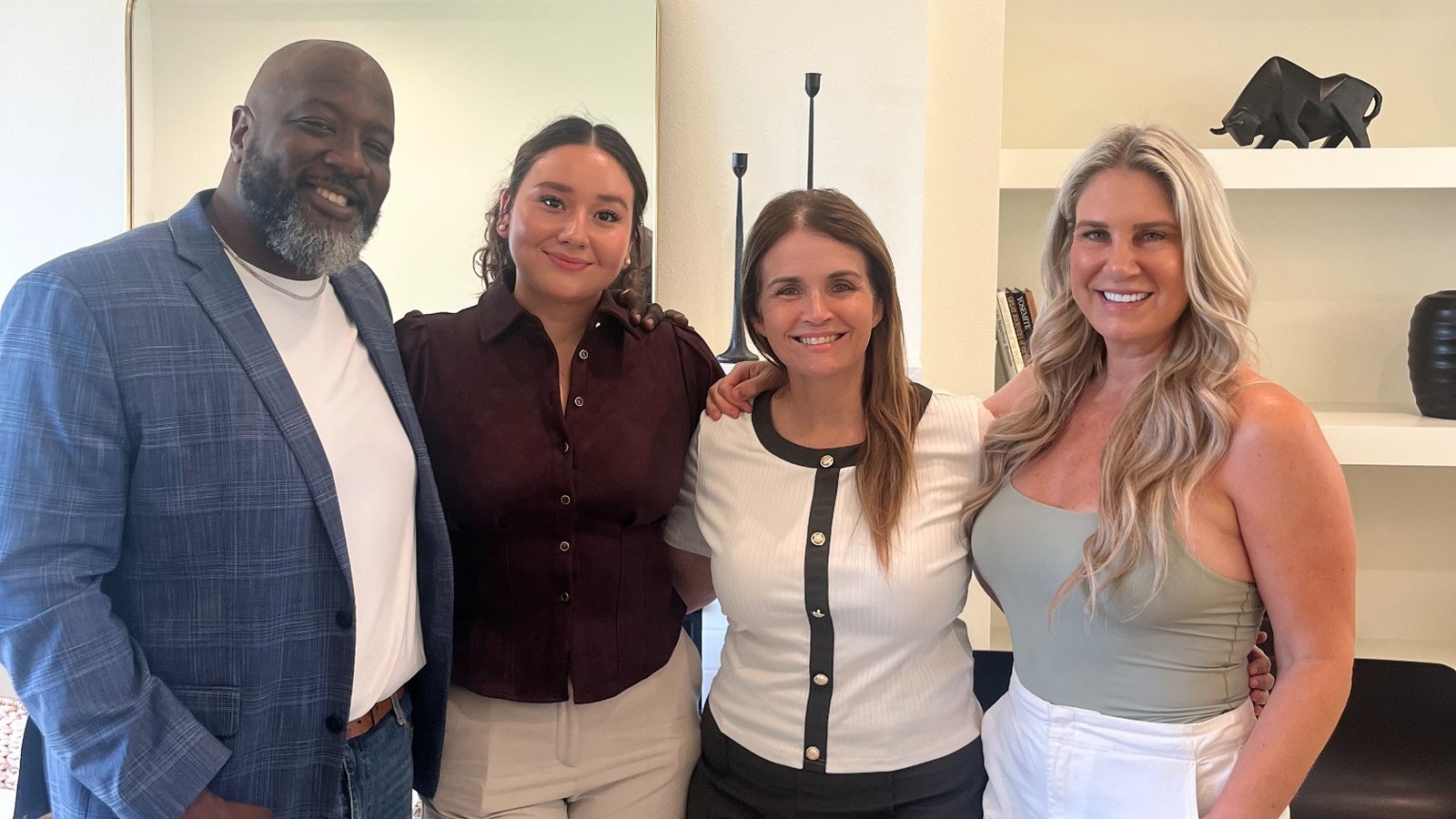
Rather than teaching transaction steps in isolation, the workshop structured panel discussions and property walk-throughs alongside four specialized field experts:
- Mike Davis, Area Manager at New American Funding
- Melissa Lima, Director of Business Development at Patten Title
- Jaxson Baumunk, Goosehead Insurance
- Kimberley Azpeitia, Choice Home Warranty
By evaluating the same physical property simultaneously, agents observed how each professional analyzes risk. A lender identifies potential property condition issues that could impact underwriting; a title representative reviews boundary and ownership considerations; an insurance specialist notes property characteristics affecting policy premiums; and a home warranty expert evaluates system wear to determine appropriate coverage strategies.
Mike Davis: Why Agent-Lender Partnerships Matter
Financing delays remain one of the primary causes of contract extensions and terminated transactions. During the August 25 session, Mike Davis, Area Manager at New American Funding, emphasized the critical necessity of proactive communication between real estate agents and mortgage professionals long before an offer is submitted.
Lenders evaluate both buyer qualifications and property eligibility. When agents understand loan underwriting parameters—such as appraisal requirements, debt-to-income limits, and condo questionnaires—they can structure contracts that protect their client’s earnest money while keeping transaction timelines on schedule.
SUGGESTED QUOTE FOR MIKE DAVIS TO APPROVE
“The strongest industry partnerships aren’t built on passing business cards back and forth; they are built on early, transparent communication that ensures both the buyer and agent fully understand the financing landscape before an offer is written.”
Melissa Lima: Why Agent-Title Partnerships Matter
Title commitments and boundary surveys frequently contain details that can impact a closing timeline if overlooked. Melissa Lima, Director of Business Development at Patten Title, highlighted how early title examination prevents last-minute closing delays.
Title professionals examine public records to verify clean ownership transfer, identify outstanding liens, review deed restrictions, and resolve boundary issues. When agents collaborate with title officers early in the transaction process, potential title defects—such as unrecorded mechanic’s liens, probate requirements, or missing heir signatures—can be addressed well ahead of the scheduled closing date.
SUGGESTED QUOTE FOR MELISSA LIMA TO APPROVE
“Proactive title work turns potential closing roadblocks into manageable checkpoints, allowing agents to keep their clients informed, protected, and confident throughout the entire closing process.”
What Does a Strong Industry Partnership Actually Look Like?
A meaningful professional partnership in real estate extends far beyond maintaining a vendor directory or exchanging marketing materials. True industry alignment is rooted in education, collaborative problem-solving, and strict adherence to ethical and regulatory boundaries.
┌─────────────────────────────────────────────────────────────────────────┐
│                      CHARACTERISTICS OF A STRONG                        │
│                     REAL ESTATE INDUSTRY PARTNERSHIP                    │
├─────────────────────────────────────────────────────────────────────────┤
│ • Educational Collaboration & Market Knowledge Sharing                  │
│ • Transparent, Multi-Party Communication Protocols                      │
│ • Early Identification & Mitigation of Transaction Risks                │
│ • Strict Compliance with RESPA & Regulatory Guidelines                  │
│ • Unwavering Commitment to Client Choice & Professional Excellence      │
└─────────────────────────────────────────────────────────────────────────┘
Under the Real Estate Settlement Procedures Act (RESPA), administered by the Consumer Financial Protection Bureau (CFPB), real estate professionals must maintain strict operational integrity. Agents must never steer consumers to specific service providers for financial kickbacks, unearned fees, or improper business arrangements. Consumers maintain the absolute right to select their own lending, title, inspection, and insurance providers.
Legitimate industry partnerships focus entirely on educational support, market updates, and joint problem-solving to enhance consumer protection and transaction efficiency.
What Should New Agents Know Before Working With Clients?
Before representing buyers or sellers in live transactions, real estate agents require operational competency across core business disciplines. While agents are not expected to act as attorneys, mortgage underwriters, or licensed inspectors, they must understand how each piece fits into the overall transaction timeline.
┌─────────────────────────────────────────────────────────────────────────┐
│                     CORE COMPETENCIES FOR NEW AGENTS                    │
├─────────────────────────────────────────────────────────────────────────┤
│ 1. Agency Relationships & Fiduciary Duties                              │
│ 2. Promulgated Contract Forms & Addenda                                 │
│ 3. Mortgage Financing Basics & Prequalification Standards               │
│ 4. Title Commitments, Surveys & Title Insurance Coverage                │
│ 5. Home Inspection Reports & Repair Negotiations                        │
│ 6. Comparative Market Analysis (CMA) & Property Valuation               │
│ 7. Property Insurance & Home Warranty Options                           │
│ 8. Fair Housing Compliance & Professional Boundaries                    │
└─────────────────────────────────────────────────────────────────────────┘
Knowing when to consult a managing broker, legal counsel, or specialized third-party expert is a fundamental marker of professional competence and risk management.
How Real-World Training Prepares Agents for Buyer Appointments
During buyer consultations, prospective homeowners rely on agents to provide clarity on complex, multi-stage processes. Agents trained in real-world environments can clearly address practical consumer concerns, including:
- Out-of-Pocket Expenses: Explaining earnest money, option fees, inspection costs, appraisal fees, and down payment requirements.
- Inspection Contingencies: Walking clients through how physical defects are evaluated, prioritized, and negotiated using standard contract addenda.
- Closing Preparation: Outlining the timeline from loan application through underwriting approval, title commitment review, final walk-through, and funding.
By experiencing these scenarios firsthand alongside field experts, agents present information with authority, setting clear expectations and establishing trust during initial buyer consultations.
How Real-World Training Prepares Agents for Listing Appointments
When meeting with prospective sellers, agents must demonstrate market expertise that goes beyond generating an automated property valuation. Practical, field-based training equips agents to guide sellers through:
- Net Sheet Accuracy: Helping sellers estimate closing costs, title fees, tax proration, and potential buyer concessions.
- Risk Mitigation: Identifying property features or unpermitted additions that could trigger lender appraisal conditions or title delays.
- Offer Evaluation: Analyzing competing offers beyond the purchase price by evaluating financing terms, appraisal waivers, option periods, and buyer qualifications.
Agents trained in applied settings can articulate how various contract terms impact a seller’s net proceeds and closing certainty.
Why Houston Agents Need Local and Practical Education
The Greater Houston real estate market presents geographical, environmental, and regulatory complexities that generic training programs do not address. Operating across Harris, Fort Bend, Montgomery, and adjacent counties requires specialized local knowledge.
┌─────────────────────────────────────────────────────────────────────────┐
│                 HOUSTON REAL ESTATE TRANSACTION FACTORS                 │
├─────────────────────────────────────────────────────────────────────────┤
│ • Municipal Utility Districts (MUDs) & Special Taxing Districts         │
│ • Flood Plain Designations, Drainage & Insurance Requirements           │
│ • Unincorporated County Areas vs. City of Houston Zoning/Permitting     │
│ • Property Tax Rates & Homestead Exemption Structures                   │
│ • Diverse Housing Stock: Master-Planned, Historic, & High-Density Condos│
└─────────────────────────────────────────────────────────────────────────┘
Data from the Houston Association of REALTORS® (HAR) and the Texas Real Estate Research Center shows that transaction variables differ significantly between submarkets. Agents educated through local, field-based programs learn to navigate MUD disclosures, flood zone determinations, and localized insurance considerations, protecting client interests across diverse transaction types.
Should You Choose a Brokerage Based on Training?
Training should be a central factor when evaluating a real estate brokerage, but it must be reviewed alongside broader operational support systems. A comprehensive brokerage assessment evaluates:
┌─────────────────────────────────────────────────────────────────────────┐
│                      BROKERAGE EVALUATION MATRIX                        │
├────────────────────────────┬────────────────────────────────────────────┤
│ Evaluation Area            │ Key Considerations                         │
├────────────────────────────┼────────────────────────────────────────────┤
│ Educational Delivery       │ Mix of classroom, virtual, and field-based │
│ Leadership Access          │ Broker availability for contract review    │
│ Productivity Coaching      │ Structured mentorship and accountability   │
│ Technology & Systems       │ Integrated CRM, marketing, and compliance  │
│ Culture & Collaboration    │ Collaborative environment vs. internal     │
│                            │ competition                                │
└────────────────────────────┴────────────────────────────────────────────┘
Prospective agents should evaluate whether a brokerage’s training curriculum translates directly into measurable business production and risk reduction.
Questions to Ask Before Joining a Houston Brokerage
When interviewing real estate brokerages, agents should move past general recruiting presentations by asking targeted questions about educational delivery and operational support:
- “May I review your active monthly training calendar?”
- “What specific topics were covered in your last three transaction workshops?”
- “Who conducts your training sessions—salaried trainers, active top-producing agents, or affiliate industry experts?”
- “Do you offer hands-on, field-based instruction inside actual properties?”
- “What structured support or productivity coaching is provided during an agent’s first five transactions?”
- “What is the direct escalation process when a contractual or legal question arises outside standard business hours?”
- “Can I attend an upcoming training session as a guest before making a license transfer decision?”
How Keller Williams Houston Central Approaches Agent Development
Keller Williams Houston Central structures its educational framework to support agents at every stage of their career lifecycle, connecting learning modules directly to operational execution:
- Breakthrough 120: Focuses on foundational lead generation habits, database architecture, and daily business activities.
- Ignite: Provides step-by-step training on buyer and seller presentations, contract execution, and negotiation strategies.
- Real World Real Estate Series: Delivers experiential, field-based education inside actual properties alongside lender, title, insurance, and warranty professionals.
- Contract & Compliance Orientation: Delivers deep-dive instruction on TREC-promulgated contracts, addenda, and risk management.
- Productivity Coaching: Offers structured accountability, transaction review, and business planning for agents scaling their production.
- Mastermind Sessions: Facilitates peer-to-peer strategy sharing among mid- and top-producing agents to analyze shifting market dynamics.
Frequently Asked Questions About Real Estate Agent Training in Houston
What kind of training should I look for in a real estate brokerage?
Look for a brokerage that offers a balance of classroom instruction, contract compliance, technology integration, and hands-on field experience. Effective training programs cover business development alongside practical transaction management, allowing agents to learn directly from experienced brokers and industry partners.
Does real-world training help new real estate agents?
Yes. Experiential field training helps agents bridge the gap between real estate theory and live transaction scenarios. By evaluating properties directly alongside lenders, inspectors, and title officers, new agents develop professional judgment, learn to recognize risk factors, and build confidence before handling client transactions.
What should a new real estate agent learn before working with clients?
New agents should master agency relationships, TREC-promulgated contracts, buyer and listing consultations, pricing methodologies, negotiation basics, and financing terms. Furthermore, agents must understand the roles played by title, insurance, and inspection professionals to guide clients effectively without crossing professional boundaries.
Should real estate agents understand mortgages and financing?
Yes. Real estate agents must understand basic loan programs, preapproval requirements, debt-to-income guidelines, appraisal processes, and financing contingencies. This knowledge helps agents structure viable offers, manage contract timelines, and communicate effectively with lenders throughout the underwriting process.
Why should real estate agents understand the title process?
Understanding title commitments, surveys, liens, and encumbrances allows agents to identify potential title issues early in a transaction. Proactive title knowledge helps prevent closing delays, ensures clear ownership transfer, and allows agents to set realistic expectations for both buyers and sellers.
Why are relationships with lenders, title companies, and other industry professionals important?
Real estate transactions rely on an ecosystem of specialized experts. Strong professional relationships with trusted lenders, title officers, inspectors, and insurance agents improve communication, resolve transaction challenges quickly, and ensure clients receive accurate, professional guidance at every stage.
Should I choose a real estate brokerage based on training?
Training is a critical factor, but it should be evaluated alongside broker accessibility, office culture, technology tools, productivity coaching, and commission structures. Agents should choose a brokerage that provides practical, continuous education aligned with their specific production goals.
What training does Keller Williams Houston Central provide?
Keller Williams Houston Central provides a comprehensive curriculum that includes foundational programs like Ignite, habit-building through Breakthrough 120, structured Productivity Coaching, advanced compliance workshops, and field-based instruction through the Real World Real Estate Series.
Look for a dual-track program that combines classroom instruction on contracts and technology with practical, field-based training alongside industry partners.
Yes. Experiential learning helps agents apply classroom concepts to live property scenarios, sharpening problem-solving skills and building confidence.
Transform Your Business Through Experiential Education
Selecting the right brokerage environment is one of the most critical decisions in a real estate career. Education should never be limited to slides in a lecture hall—it should prepare you to handle real client scenarios with confidence, skill, and precision.
Before choosing where to hang your license, go beyond recruitment brochures:
- Examine the Calendar: Review our live monthly training schedule.
- Experience the Education: Attend an upcoming training session or field workshop as our guest.
- Meet the Leadership Team: Speak directly with our Productivity Coaches and Brokerage Leadership.
- Evaluate the Culture: See how Houston agents collaborate, share strategies, and grow their businesses together.
Whether you are launching your real estate career or looking to elevate your existing production through practical, field-based training, we invite you to experience the difference firsthand.